

Red, Dry, or Itchy Eyes? How to Tell Dry Eye From Eye Allergies
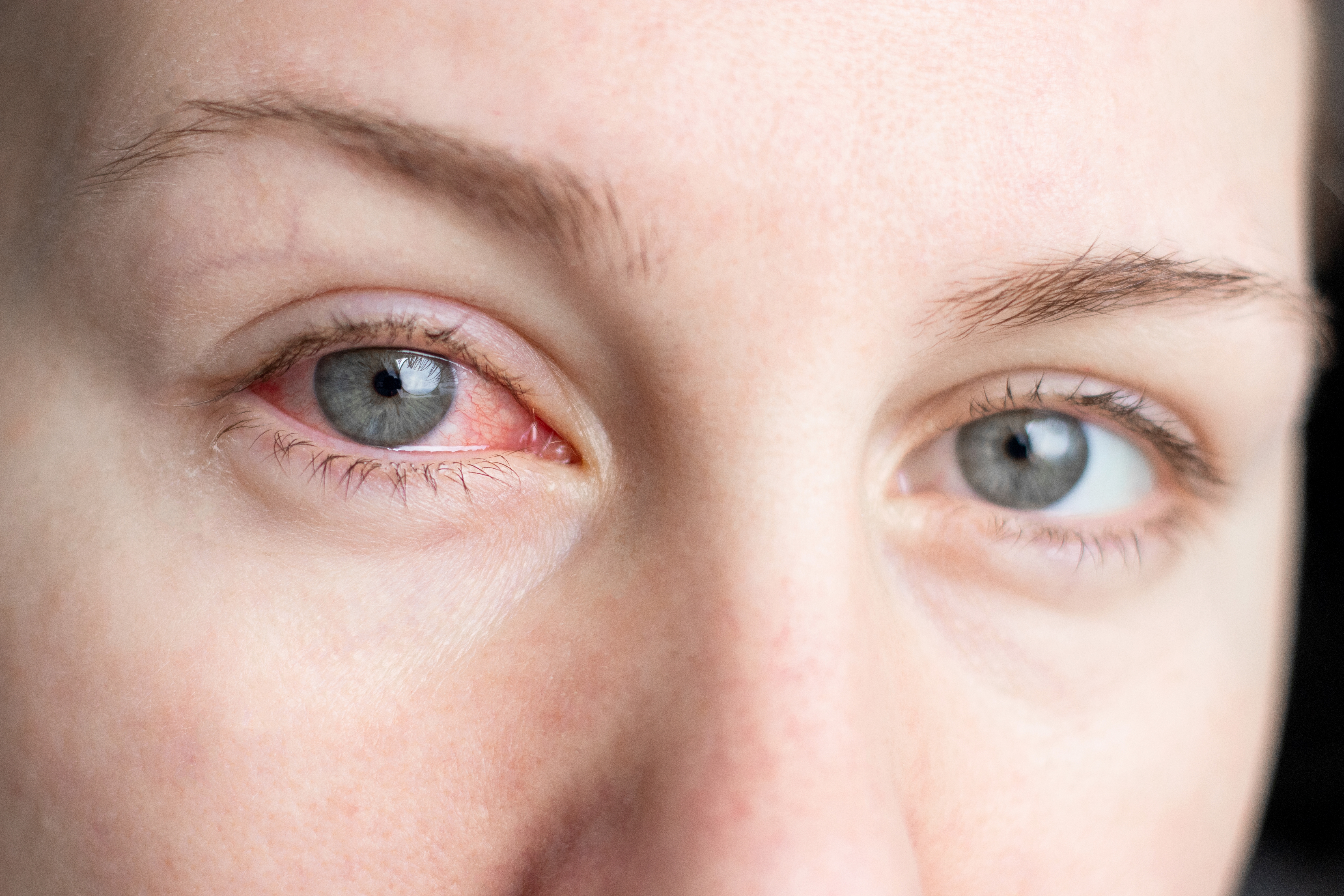
Red, irritated, or itchy eyes can make it difficult to focus on work, enjoy time outside, or wear contact lenses comfortably. For many patients in Madison and Middleton, the challenge is figuring out whether those symptoms are caused by dry eye or eye allergies. The two conditions can feel similar, and some people experience both at the same time. At Isthmus Eye Care, we look beyond the symptoms to identify what is actually causing your eye discomfort.
Is It Dry Eye?
Dry eye occurs when your eyes do not produce enough tears or when your tears evaporate too quickly. Problems with the meibomian glands, eyelid inflammation, contact lens wear, medications, screen use, and environmental conditions can all contribute.
Dry eye symptoms commonly include:
• Burning, stinging, or gritty sensations
• Red or irritated eyes
• Fluctuating or blurry vision
• Sensitivity to light
• Discomfort with contact lenses
• Watery eyes caused by irritation
Yes, dry eye can actually make your eyes water. When the eye's surface becomes irritated, it may respond by producing reflex tears that do not provide the balanced lubrication your eyes need.
Are Eye Allergies Causing Your Symptoms?
Eye allergies develop when the immune system reacts to allergens such as pollen, mold, dust, or pet dander. In Madison and Middleton, seasonal changes can bring higher levels of airborne allergens that leave the eyes uncomfortable.
Itching is one of the strongest clues that allergies may be involved. Allergy-related symptoms often affect both eyes and may occur along with sneezing, nasal congestion, or a runny nose. The eyes may also appear red, swollen, and watery.
Why Dry Eye and Allergies Can Overlap
Dry eye and eye allergies are not always separate problems. Allergic inflammation can disrupt the tear film, while an unhealthy tear film may make the eyes more sensitive to environmental allergens. Some allergy medications, particularly oral antihistamines, can also contribute to dryness.
That is why treating redness or irritation without understanding the cause may provide only temporary relief. Using the wrong type of eye drop may not address the underlying problem.
How We Diagnose Dry Eye in Madison
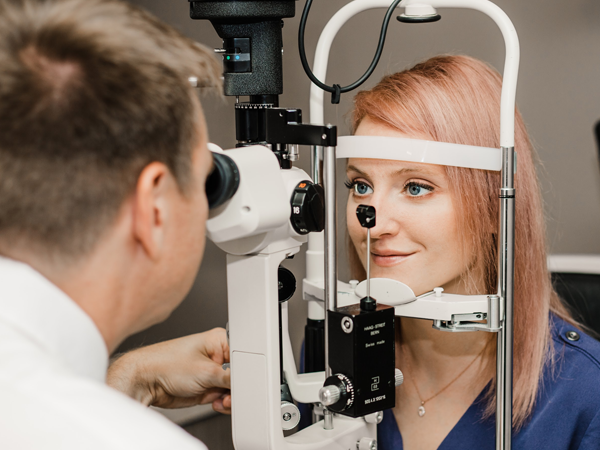
At Isthmus Eye Care, our dry eye evaluations are designed to identify the factors contributing to your symptoms. We may examine your ocular surface and eyelids, evaluate the meibomian glands, and look for inflammation or other conditions affecting tear quality.
Once we understand the cause, we can recommend a personalized treatment plan. Depending on your needs, dry eye treatment may include preservative-free artificial tears, prescription eye drops, heat therapy for meibomian gland dysfunction, eyelid hygiene, punctal plugs, omega-3 supplementation, or other therapies. An eye exam can also help us determine whether allergies, dry eye, blepharitis, or another eye condition is responsible for persistent redness and irritation.
Get the Right Treatment for Red, Dry, or Itchy Eyes
If your eyes stay red, dry, itchy, watery, or uncomfortable, schedule an evaluation with Isthmus Eye Care. Contact our Middleton location at (608) 831-3366, Madison - East location at (608) 249-5548, or Madison - Downtown location at (608) 256-4750 to book an appointment today.



- Monday 8:00am - 6:00pm
- Tuesday 9:00am - 5:00pm
- Wednesday 7:00am - 4:00pm
- Thursday 8:00am - 6:00pm
- Friday 8:00am - 5:00pm
- Saturday Closed
- Sunday Closed
- Monday 8:00am - 6:00pm
- Tuesday 9:00am - 5:00pm
- Wednesday 7:00am - 4:00pm
- Thursday 8:00am - 6:00pm
- Friday 8:00am - 5:00pm
- Saturday Closed
- Sunday Closed
- Monday 8:00am - 6:00pm
- Tuesday 9:00am - 5:00pm
- Wednesday 7:00am - 4:00pm
- Thursday 8:00am - 5:00pm
- Friday 8:00am - 5:00pm
- Saturday Closed
- Sunday Closed
© 2026 Isthmus Eye Care. All rights Reserved. Accessibility Statement - Privacy Policy - Sitemap
Powered by:
