

Dry Eye Clinic
Find Relief from Dry, Irritated Eyes
Dry eye syndrome is a common and often uncomfortable condition that affects millions of people. Studies estimate that nearly 5 million Americans over the age of 50 experience the discomfort of dry, itchy, and irritated eyes—though it can affect people of all ages.
What are the Common Symptoms of Dry Eye?
Dry eye symptoms can vary from person to person due to the wide range of underlying causes. Common symptoms include:
- Redness or irritated, bloodshot eyes
- A consistent burning or stinging sensation in the eyes
- Itchiness or the sensation of having something in your eyes
- Increased sensitivity to bright lights or sunlight
- Excessive tearing or persistently watery eyes
What Causes Dry Eye
Dry eye can result from a variety of factors, and in some cases, the cause may be immediately apparent, such as environmental irritants or short-term inflammation. However, many chronic cases of dry eye stem from underlying conditions or lifestyle factors, including:
- Disease or dysfunction of the meibomian glands
- Blepharitis (inflammation of the eyelids)
- Allergies
- Autoimmune diseases such as rheumatoid arthritis, Sjögren's syndrome, thyroid disease, and lupus
- Eyelid or ocular surface abnormalities
- Side effects from certain medications
- Contact lens wear
- Aftereffects of refractive eye surgery, such as LASIK
- Exposure to smoke, wind, or very dry climates
- Prolonged activities that reduce blinking, such as reading or using a computer
- Deficiency of aqueous tear production
Because the causes of dry eye vary widely, treatment is personalized to address the specific factors affecting each patient. In many cases, more than one underlying cause may contribute to dry eye symptoms, requiring a comprehensive approach to care.
How is Dry Eye Diagnosed and Treated?
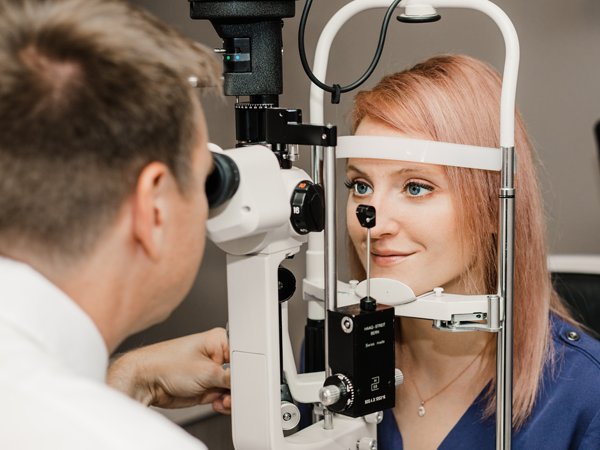
Dry eye disease is diagnosed through advanced imaging of the meibomian glands, clinical examination of the ocular surface and eyelids, and screening for underlying conditions that contribute to dry eye symptoms
Treatments for dry eye disease include:
Preservative-free artificial tears and ointments
- Eyelid cleansers
- Eyelid masks & moisture chambers
- Omega-3 supplements
- NuLids
- Prescription eye drops to reduce inflammation
- Autologous blood serum eyedrops
- Punctal plugs to help retain natural tears
- Prokera amniotic membrane
- Low-level light therapy (LLLT)
- Intense Pulsed Light (IPL) & Radiofrequency (RF) Therapy



- Monday 8:00am - 6:00pm
- Tuesday 9:00am - 5:00pm
- Wednesday 7:00am - 4:00pm
- Thursday 8:00am - 6:00pm
- Friday 8:00am - 5:00pm
- Saturday Closed
- Sunday Closed
- Monday 8:00am - 6:00pm
- Tuesday 9:00am - 5:00pm
- Wednesday 7:00am - 4:00pm
- Thursday 8:00am - 6:00pm
- Friday 8:00am - 5:00pm
- Saturday Closed
- Sunday Closed
- Monday 8:00am - 6:00pm
- Tuesday 9:00am - 5:00pm
- Wednesday 7:00am - 4:00pm
- Thursday 8:00am - 5:00pm
- Friday 8:00am - 5:00pm
- Saturday Closed
- Sunday Closed
© 2026 Isthmus Eye Care. All rights Reserved. Accessibility Statement - Privacy Policy - Sitemap
Powered by:
